
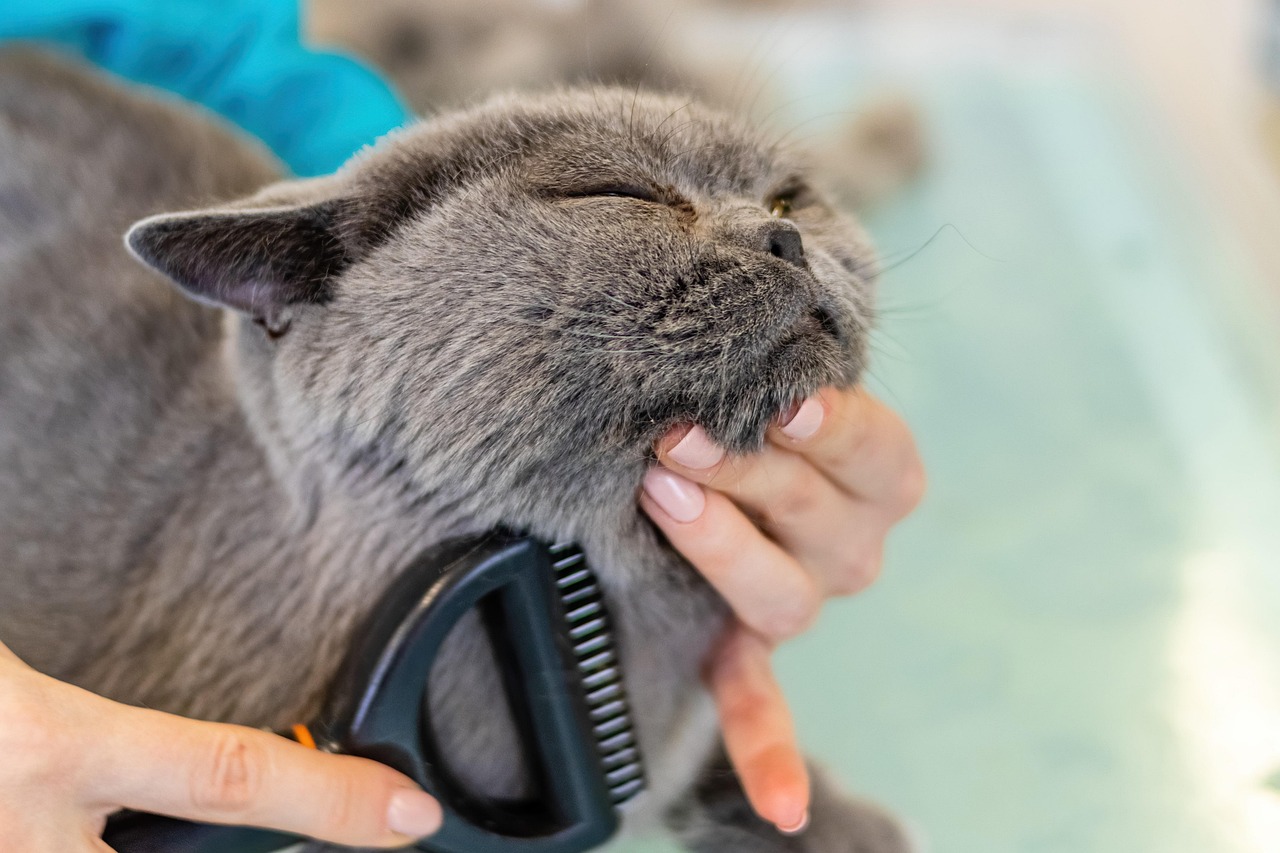
A shiny coat is more than just a sign of beauty in cats, it is also a reflection of their health and wellbeing. Cats spend hours every day licking and cleaning themselves, but even the most independent feline needs support from time to time.
Grooming helps prevent health issues, strengthens the bond between you and your cat, and keeps fur from spreading all over your home. Whether you share your life with a fluffy Persian or a sleek Siamese, knowing how to care for their coat will make your cat healthier and happier.
The Structure of a Cat’s Coat
To understand grooming, it helps to know how a cat’s coat is built. The skin is the largest organ of a cat and makes up to a quarter of its body weight. It provides protection from germs, regulates temperature, and renews itself constantly. On top of this sits the coat, which has two layers: a dense undercoat that insulates the body and longer guard hairs (also called topcoat) that give the fur its color and shine.
Cats have an impressive hair density: around 25,000 hairs per square centimetre. For comparison, dogs usually have 1,000 to 9,000, and humans only 150 to 350 hairs per square centimetre on the head.
No wonder your sofa often seems full of fur. Twice a year cats shed especially heavily, replacing their winter coat with a lighter summer coat and back again in autumn. During these times they need extra help with grooming.
Why Is Grooming Important for Cats?
Many cats manage their own hygiene well, but brushing and combing bring important benefits. By removing loose hair, you reduce the risk of hairballs forming in the stomach. You can also spot parasites like fleas or ticks early, and notice small wounds or skin irritations before they become a problem. Grooming prevents painful mats and tangles, which are especially common in longhaired breeds.
Older or sick cats often cannot groom themselves properly, and even shorthaired cats appreciate help during shedding seasons. For you as an owner, grooming has practical benefits too: the more hair you collect in the brush, the less you’ll find on clothes, carpets, and furniture.
Brushing and Combing Basics
How often you need to brush depends on your cat’s coat type. Longhaired cats may need daily grooming, while shorthaired cats are fine with once or twice a week. During spring and autumn shedding, increase the frequency for all cats.
Always brush in the direction of the fur, never against it, as cats dislike that and it can hurt their skin. Start with areas your cat enjoys, such as under the chin or along the back, before moving to more sensitive zones like the belly.
Make the session calm and positive, combine brushing with petting, talk softly, and reward your cat afterward with a treat or playtime. Over time, grooming becomes not just care, but also a relaxing ritual.
Best Tools for Cat Grooming
The right tools make grooming easier and more comfortable for both you and your cat. Depending on coat length and temperament, different brushes and combs are suitable:
- Soft-bristle brushes: perfect for kittens and sensitive cats, gentle on the skin
- Undercoat brushes: remove dense undercoat and reduce shedding in fluffy breeds
- Combs: useful for detangling knots and small mats, best with rounded tips
- Slicker brushes: ideal for longhaired cats, reach deeper coat layers
- Grooming gloves: combine petting with fur removal, good for brush-shy cats
- Detangling sprays: help loosen mats without pulling or causing discomfort
Always choose tools with rounded ends to avoid scratching delicate skin, and avoid plastic combs that build up static electricity. Testing a few different tools is often the easiest way to discover what your cat prefers.
Special Grooming for Longhaired Cats
Longhaired breeds such as Persians, Maine Coons, or Angoras need extra attention. Their coats are thick, luxurious, and beautiful, but also prone to mats if not cared for daily. These cats cannot manage the full length of their fur alone, so your help is essential.
- Use wide-tooth combs and slicker brushes to reach deep layers of fur.
- Handle small mats gently by loosening them with your fingers; never pull with force.
- If knots cannot be untangled, carefully cut them out with blunt-tipped scissors or ask a groomer or vet for help.
- Hygiene trims near the rear area are often necessary to prevent dirt from sticking to the coat.
Daily grooming prevents painful tangles and helps your longhaired cat stay comfortable.
Supporting Fur Health from the Inside
A shiny coat starts with good nutrition. Cats need the right balance of protein, vitamins, and fatty acids to grow strong, healthy fur.
- Protein: During coat changes, up to one-third of dietary protein is used for skin and hair.
- Omega-3 and Omega-6 fatty acids: Keep fur soft and skin healthy; found in salmon oil, hemp oil, and linseed oil.
- Zinc, copper, and biotin: Important for hair strength and shine.
- Cat-Supplements: Pastes and oils can be added to food, but always in moderation — vitamins in particular should not be overdosed.
Feeding high-quality wet or dry food with added nutrients is often enough to support coat health.
Bathing Cats: When It’s Really Needed
Most cats do not need baths, their little tongues do the work. But there are exceptions, such as sticky dirt, toxic substances, or medical conditions that require shampoo. For longhaired cats, an occasional bath may help if the coat is badly soiled or matted.
How to bathe your cat safely:
- Prepare a calm, warm room with no drafts.
- Use a shallow basin or bathtub with lukewarm water.
- Place a non-slip mat or towel at the bottom.
- Use only special cat shampoo. Never use products for humans!
- Wash gently with a cloth, avoid the head and face.
- Rinse thoroughly and dry immediately with a towel.
- Reward your cat with treats and comfort afterward.
Baths should remain rare, as frequent washing can damage the natural skin barrier.
Preventing and Managing Hairballs
Hairballs (also called trichobezoars) form when swallowed hairs clump together in the stomach. They are a natural result of grooming, but they can be unpleasant for both cat and owner.
Ways to help your cat:
- Offer cat grass so your cat can aid digestion naturally.
- Provide fiber-rich food or special hairball control diets.
- Give malt paste as a tasty supplement to reduce hair accumulation.
- Groom regularly to minimize the amount of loose hair swallowed.
If hairballs become frequent or your cat struggles to pass them, consult a veterinarian.
Grooming Challenges and Training Your Cat
Not every cat enjoys brushing right away. Some run at the sight of a brush, while others resist with claws and teeth. The key is patience and positive associations.
Training kittens:
- Introduce the brush early by letting them sniff it.
- Start with gentle strokes in short sessions.
- Combine brushing with petting and playtime.
- Always reward with a treat or praise.
Helping adult cats accept grooming:
- Place the brush nearby during cuddle time.
- Alternate strokes with your hand and the brush.
- Extend brushing sessions gradually as trust builds.
- Try grooming gloves if your cat dislikes brushes.
Above all, never force the process. Grooming should feel like a wellness session, not a punishment. Over time, most cats learn to enjoy it or at least tolerate it calmly.
Professional Grooming Services in Dubai
Professional grooming services can also be very helpful in Dubai, especially for long haired cats or owners who do not feel comfortable trimming claws themselves. Many cats need claw trimming every few weeks, and professional groomers can safely handle this, particularly if your cat becomes stressed or difficult to manage at home. Grooming appointments may also make sense during heavy shedding periods, for matted fur, hygiene trims, or before summer when coats become denser.
In Dubai, there are also mobile groomers who come directly to your apartment. This can significantly reduce stress for cats, since they remain in their familiar environment and avoid stressful car rides or unfamiliar grooming salons.
Professional grooming is naturally more expensive than doing basic care yourself. Still, regular grooming is far better than avoiding grooming altogether because you feel unsure about nail trimming or coat care. Neglected claws, severe matting, or poor coat condition can quickly become painful and lead to health problems. In many cases, spending the money occasionally is the better option for both you and your cat.
Grooming Tips for Cat Owners in Dubai
The hot weather in Dubai means cats shed more and odours from litter boxes or fur can build up quickly indoors. Regular brushing helps keep fur under control and improves air quality in your home.
Air conditioning is another factor. Many Dubai apartments rely on strong AC systems, and the constant noise or airflow can make cats nervous. Choose a calm, quiet corner for grooming sessions, away from noisy vents. This will help your cat feel safe and relaxed.
Apartment living also means cats spend more time indoors. Unlike outdoor cats, who lose loose hair when brushing against plants or rolling in the grass, indoor cats depend entirely on you to remove excess fur. This makes grooming sessions not only a health measure but also an important enrichment activity for your cat’s daily life.
Further reading: How to Cut Your Cats Nails Safely.
Conclusion
Grooming your cat is about much more than appearances. A well-kept coat reflects good health, prevents parasites and hairballs, and strengthens the bond between you and your pet.
Shorthaired cats may only need a weekly brush, while longhaired breeds require daily attention. Add to this the right nutrition, occasional support with supplements, and, in rare cases, a gentle bath, and your cat will enjoy a healthy, shiny coat all year round.
For cat owners in Dubai, paying attention to climate, air conditioning, and indoor lifestyles makes grooming even more important. With patience, the right tools, and a bit of love, every cat, whether shorthaired or longhaired, can thrive with a coat that is both beautiful and healthy.

